Shock mode explained

Fully automatic vs semi automatic defibrillator: who presses shock

One difference decides it. Both units here are sold either way, so the mode is your call.

Explore our Defibrillators
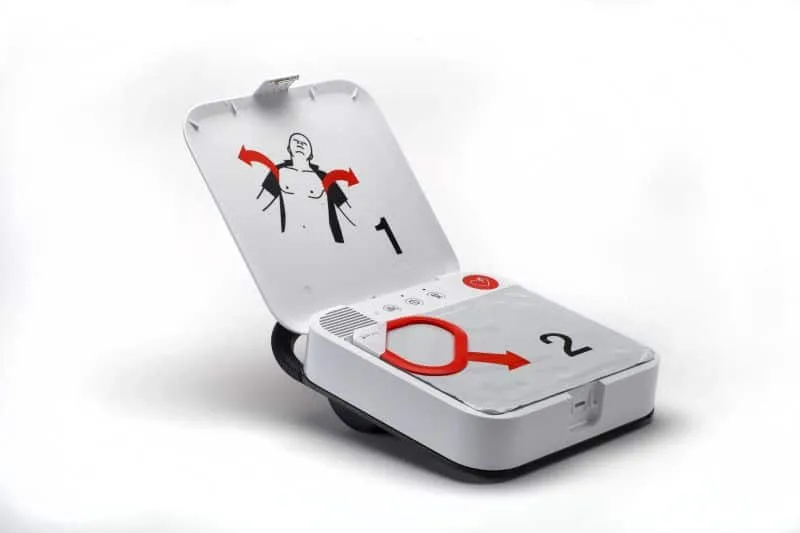
LIFEPAK CR2 fully automatic defibrillator with the lid open
The LIFEPAK CR2 Essential. The same unit is built fully automatic or semi automatic.

Someone in procurement has sent the order form back with one question written on it: fully automatic or semi automatic? It reads like a technical decision and it is not. The fully automatic vs semi automatic defibrillator choice comes down to a single thing, which is whether the machine delivers the shock itself or waits for a person to press a button. Integrity HS was founded by intensive care paramedics, and we are asked this most weeks, usually by someone who has to write an answer into a safety policy by Friday.

What is the difference between fully automatic and semi automatic defibrillators?

Both types analyse the heart rhythm and decide whether a shock is needed. A fully automatic defibrillator delivers that shock itself after warning everyone to stand clear. A semi automatic one waits for the rescuer to press the shock button. Integrity HS stocks both units here fully automatic at $2,295, and orders either in semi automatic by phone.

LIFEPAK CR2 Essential defibrillator with the lid open and the electrode pads in place

LIFEPAK CR2 Defibrillator Fully Automatic Essential Non WIFI

Fully automatic as stocked, semi automatic on request

The CR2 Essential suits a site that wants the unit to carry the shock decision, and it is also the one to order in semi automatic when a first aid policy says a trained person should make that call. The hardware is identical either way.

  • Nobody has to press the shock buttonAs stocked it is fully automatic. It reads the rhythm, warns everyone to stand clear and delivers the shock on its own, so a shaken bystander has no decision to make.
  • The same unit in semi automatic, by phoneCall 1300 720 024 and we order the semi automatic build. The manufacturer brochure puts time to shock after CPR at under 17 seconds in that mode.
  • Compressions do not have to stopcprINSIGHT analyses the heart rhythm while chest compressions carry on, so the rescuer is not standing back waiting for the machine to think.
  • Children on the same padsA child mode button lowers the energy for a child aged 1 to 8 or under 25 kg. There is no second pad set to buy, store or fit under pressure.
  • Built to be heard and to lastClearVoice lifts the volume when the room is noisy, QUIK-STEP electrodes peel off the base for a fast change, and the warranty runs eight years. IP55 means dust is kept out and sprayed water will not stop it.
$2,295 Down from $2,995. Free shipping. View the LIFEPAK CR2 Essential
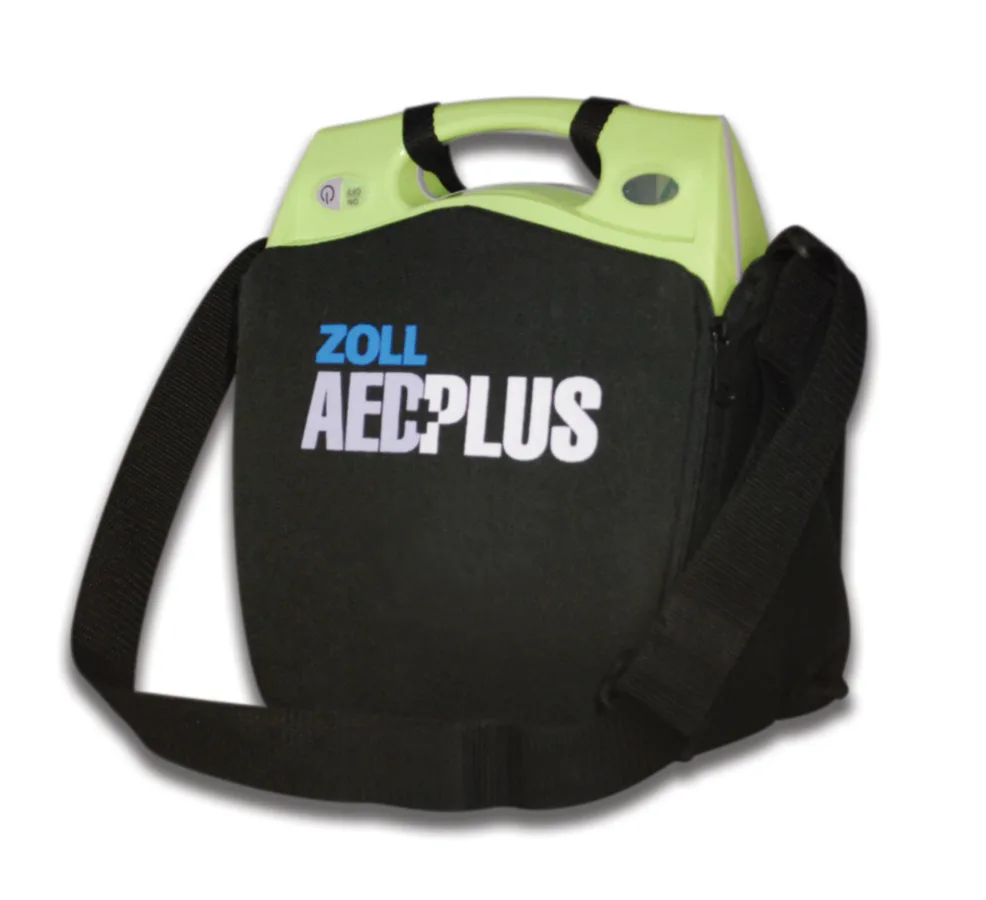
ZOLL AED Plus defibrillator in its soft carry case with the CPR-D-padz electrodes beside it

ZOLL AED Plus Fully Automatic Defibrillator

Sold in either mode, with CPR coaching built in

The AED Plus suits sites where the real worry is not the shock but the quality of the compressions around it. It has been on the market since 2002, arrives as a complete kit, and is ordered semi or fully automatic.

  • You pick the mode at the order stageThe AED Plus is available semi or fully automatic. The shop lists the fully automatic version, and a call to 1300 720 024 gets the semi automatic build of the same unit.
  • Coaching on every compressionReal CPR Help reads depth through a sensor inside the CPR-D-padz and shows it on a bar gauge, with an adaptive metronome guiding the rescuer to at least 100 compressions a minute.
  • Nothing else to order on day oneIt ships with the CPR-D-padz adult electrodes, ten lithium batteries, the manual, a basic life support poster, an instructional DVD and a soft carry case.
  • Five years between consumable swapsThe sleeve of ten 123A lithium cells is $112.20 and the CPR-D-padz are $190, both with a five-year shelf life. The warranty runs seven years, five of those on battery and pads.
  • A dedicated set of paediatric padsPedi-padz II electrodes are $113 and switch the unit to its paediatric algorithm for a child under 8 or under 25 kg. They carry a two-year shelf life.
$2,295 Down from $2,995. Free shipping. View the ZOLL AED Plus

Fully automatic vs semi automatic defibrillator, side by side

Shock mode leads, because that is what this search is about. Both units are stocked fully automatic and both can be ordered semi automatic, so the rest of the table is what actually separates them.

Figures from the Integrity HS product pages, plus the LIFEPAK CR2 Essential manufacturer brochure.
Attribute LIFEPAK CR2 Essential ZOLL AED Plus
Shock mode as stocked Fully automatic, the unit delivers the shock Fully automatic, the unit delivers the shock
Semi automatic version Available on request, call 1300 720 024. No published price Available on request, call 1300 720 024. No published price
CPR guidance cprINSIGHT analyses the rhythm during compressions, no pause needed Real CPR Help, depth bar gauge and an adaptive metronome at 100 a minute or more
Children Child mode button, same pads, ages 1 to 8 or under 25 kg Pedi-padz II paediatric electrodes, $113, under 8 or under 25 kg
Dimensions 22.6 x 22.6 x 9.7 cm 13.3 x 24.1 x 29.2 cm
Battery and pads Battery $325.82 and pads $178, four years each Ten 123A cells $112.20 and CPR-D-padz $190, five years each
Manufacturer warranty and price Eight years, $2,295 Seven years, five on battery and pads, $2,295

Which mode suits the people who will use it

Picture whoever is kneeling on the floor at the worst moment. That decides the mode far more than the spec sheet does.

The reception desk, gym floor or clubroom

The rescuer could be a casual on their first shift, a visitor or a volunteer who did a course three years ago. The shock button is the moment people freeze, and a pause there costs more than any spec on this page.

Choose the fully automatic LIFEPAK CR2. There is no button to hesitate over, and the unit keeps analysing while compressions carry on.

The workplace with a trained first aid team

You run a first aid roster, staff refresh their CPR every year, and the safety policy is written around a trained person deciding when to shock. Auditors expect the equipment to match what is on paper.

Choose the semi automatic ZOLL AED Plus. Ordering the semi automatic build keeps the shock decision with the first aid officer your policy names.

The site where CPR quality is the real worry

Compressions are what keep blood moving until an ambulance arrives, and most people push too softly. If your site is a long way from help, the coaching matters more than who presses the button.

Choose the ZOLL AED Plus. Real CPR Help measures depth through the pads and shows it live on a bar gauge, in either mode.

Still weighing the wider question? Our semi automatic defibrillator page looks at that mode on its own, and our portable defibrillator page covers the units built to travel. The ZOLL AED Plus semi vs fully automatic page shows how the same choice plays out on one unit.

Why buy from Integrity HS

Picking the mode is the quick part. Here is what comes with the unit once it arrives.

Advice from people who have used these devices

Liam Harte and Brad Goodwin founded Integrity HS as intensive care paramedics who served with the Australian Defence Force. Ring to ask which mode your first aid policy needs and that is who you get.

A supplier your procurement team can sign off

Supply Nation certified, appointed to the South Australian Whole of Government Defibrillator Panel, and a member of the Australian Sudden Cardiac Arrest Alliance. Buying here counts towards supplier diversity targets.

Support that carries on after the invoice

Selection advice before you commit, a free audit of any defibrillators, batteries and pads you already hold, familiarisation training online or in person, then ongoing service and support.

Based in Redfern, shipping Australia wide

Orders leave from the NSWICC Business Hub in Redfern, NSW, and shipping is free on both units here. One site or forty, the process is the same.

Trusted by

  • Qantas
  • Westpac
  • Australian Taxation Office
  • Commonwealth Bank
  • Lendlease
  • ANZ

Questions buyers ask about shock mode

Is a fully automatic defibrillator better than a semi automatic one?

Neither is better. Both analyse the heart rhythm the same way and deliver the same shock. The difference is who starts it. Fully automatic suits places where the rescuer could be anyone, because there is no button to hesitate over. Semi automatic suits trained first aid teams, and safety policies that expect a named person to make the call.

How do I order the semi automatic version of either unit?

Call Integrity HS on 1300 720 024. The shop lists the fully automatic version of each unit, and the product pages for the LIFEPAK CR2 and the ZOLL AED Plus both say a semi automatic model is available on request. No semi automatic price is published, so we quote it when you ring. Hardware, warranty and consumables are otherwise the same.

Which defibrillators does Integrity HS supply in both modes?

Most of the range. The HeartSine Samaritan 360P, the ZOLL AED 3, the ZOLL AED Plus, all three LIFEPAK CR2 variants and the Mindray C1A are each stocked fully automatic with a semi automatic version available on request. The HeartSine Samaritan 500P is the one described as semi automatic on its own product page. Ring 1300 720 024 for pricing on any semi automatic build.

Does the mode change anything when the patient is a child?

No. Child settings sit separately from shock mode. The LIFEPAK CR2 has a child mode button that lowers the energy for a child aged 1 to 8 or under 25 kg, with no pad change. The ZOLL AED Plus takes Pedi-padz II paediatric electrodes at $113, which switch it to its paediatric algorithm for a child under 8 or under 25 kg. Both work either way.

Do you need training to use either type?

No licence is needed in Australia, and both units talk the rescuer through every step. A fully automatic unit asks only that everyone stands clear. A semi automatic one adds a single instruction, which is to press the shock button when told. Manufacturers still recommend basic life support training, and Integrity HS runs familiarisation training online or in person.

What clients say about buying from Integrity HS

In line with our commitments towards Indigenous enterprise engagement we selected Integrity Health & Safety (via Supply Nation) to supply defibrillators as a result of their professional advice and support, fast and efficient service, and highly competitive pricing.

National Procurement ManagerConfirmed AED purchaser

For nearly 2 years now you and your staff have delivered exceptional service and all staff have walked away enjoying your training sessions. I look forward to working with you in the future.

Human Resources ManagerAudi

Still not sure which mode you need?

Tell us who is likely to be holding the unit and what your first aid policy says, and we will tell you which mode to order and what it costs. No charge, and you will be speaking to a paramedic.